Building With Trash: Why I Actually Like The Scented Plastic Trend
I caught myself sniffing a runner the other day. Just holding the plastic frame up to my nose and inhaling like I was at a wine tasting. My partner walked in, saw me huffing a sprue of parts for a 1/144 scale mobile suit, and walked right back out. They didn’t even ask.
But I wasn’t losing it. I was building one of those bio-composite kits that have been trickling into the market over the last couple of years. You know the ones—the plastic isn’t just petroleum; it’s mixed with eggshells, limestone, or in this specific case, green tea leaves. And yeah, when you nip the gate or sand down a nub, it actually smells like faint, dusty matcha. It’s weird. It’s gimmicky. And honestly? I’m kind of obsessed with it.
We need to talk about where the hobby industry is going with this eco-material push, because what started as a PR stunt has quietly morphed into a legitimate material science branch that affects how we actually build.
The “Green” Gimmick That Stuck
Remember back around late 2023 when the first “Green Tea” Zaku dropped? I do. I remember rolling my eyes so hard I nearly pulled a muscle. It felt like classic greenwashing—take a mass-produced plastic toy, throw some organic waste in the mix, and slap a leaf sticker on the box to make us feel better about our wall of unbuilt plastic shame (the backlog is real, don’t lie).
I bought one anyway. Obviously.
The tech behind it was fascinating once I stopped being cynical for five seconds. The manufacturers weren’t just dying the plastic green; they were utilizing a composite material, often based on limestone (Limex) or actual organic waste, to reduce the petroleum usage. The tea leaves were suspended in the resin.
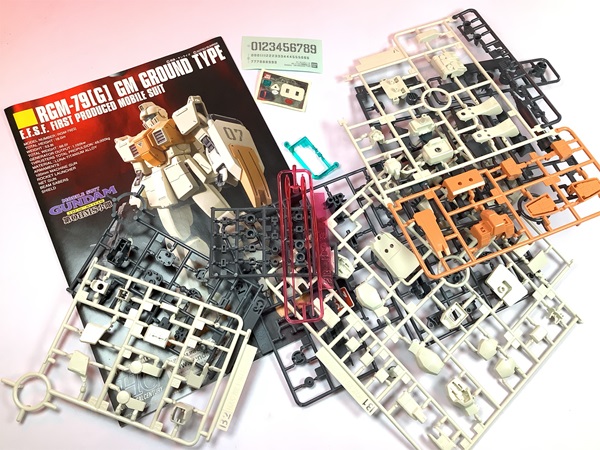
Fast forward to now, and we’ve seen this expand. It’s not just tea anymore. We’ve seen experiments with coffee grounds, wood pulp, and recycled runner waste becoming standard for “Eco-Pla” lines. But the tea one remains the most interesting case study because of how it physically behaves under the nippers.
Texture, Brittleness, and the “Chalky” Feel
If you’re used to the buttery smooth slice of high-quality Polystyrene (PS), these organic composites feel wrong at first.
The first time I cut into a tea-composite part, it felt dry. Chalky. Standard plastic has a certain elasticity—it gives a little before it snaps. This stuff? It’s stiffer. It reminds me of the difference between cutting a block of cheddar vs. a block of parmesan.
This changes the build process. You can’t be careless with stress marks. On normal plastic, if you pinch a part too hard or cut too close, you get that ugly white stress mark. On these organic composites, the stress marks are less “white” and more of a lighter shade of the base color, but the material is more prone to pitting. If you tear a nub off instead of slicing it, you aren’t just stretching plastic; you’re crumbling the composite matrix.
I learned this the hard way on a shoulder piece. I got lazy, tried to twist a part off the runner (I know, I know, heresy), and it didn’t snap clean. It tore a chunk out. I had to break out the putty.
The Olfactory Factor
Here’s the thing nobody mentions in the spec sheets: the sensory experience of sanding.
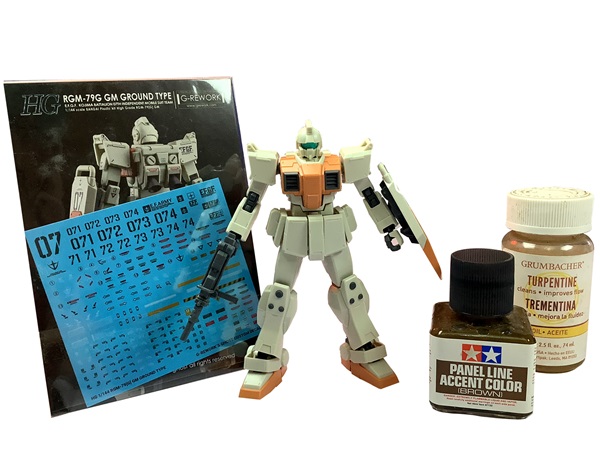
Usually, sanding is a chore. It produces micro-plastic dust that smells like chemicals and regret. But with these tea-infused kits, sanding releases the scent trapped in the material. It’s faint—you aren’t going to freshen your living room with it—but it’s there.
It creates this weirdly zen loop. Sand a part, smell matcha. Sand a part, smell matcha. It breaks the monotony of prep work. I’ve talked to a few guys at the local hobby shop who swear the “coffee” variants (the ones using coffee ground waste) are even better, though I find they smell more like burnt toast than a fresh brew.
Is It Actually Sustainable?
I’m not a chemist, but I can read a spec sheet. The reduction in petroleum-based plastic in these kits is significant, but it’s not 100%. We’re usually looking at a mix where the organic or inorganic filler replaces maybe 20% to 50% of the oil-based resin.
Is it saving the planet? Probably not on its own. The shipping logistics of getting these kits from Japan to the rest of the world likely negate the carbon savings of the tea leaves.

However, the waste reduction angle is legit. The industry generates tons of organic waste (tea, coffee, eggshells) and tons of plastic waste (runners). Merging them is a smart way to handle the backend of the supply chain. The “Gunpla Recycling Project” bins we see at conventions now are actually doing something—they grind down those runners and re-inject them. The color is usually a muddy black (because mixing all colors equals black), but it works perfectly for internal frames or weapons.
The Future of “Organic” Mecha
I don’t think we’re going to see high-performance inner frames made of tea leaves anytime soon. The structural integrity just isn’t there for moving parts. The friction on joints would turn that chalky material into dust in no time.
But for armor plating? Static display pieces? Effects parts? It’s a solid alternative. The matte finish you get right out of the box is another bonus—because the material is composite, it doesn’t have that cheap “toy-like” shine of pure glossy plastic. It looks almost painted without a drop of paint.
I’m still waiting for a kit that smells like pizza or motor oil (for that authentic mechanic vibe), but for now, I’ll take the tea. It’s a strange, imperfect step sideways in material science, but it makes the shelf smell better than glue and thinner. And that’s a win in my book.
Questions readers ask
What are Gundam bio-composite kits made of?
Bio-composite Gundam kits blend petroleum plastic with organic or inorganic fillers like green tea leaves, coffee grounds, eggshells, wood pulp, limestone (Limex), or recycled runner waste. The fillers typically replace 20% to 50% of the oil-based resin. The tea-leaf version, first released around late 2023 with the Green Tea Zaku, suspends actual tea particles in the resin, giving the plastic a faint matcha scent when cut or sanded.
Why do green tea Gundam kits smell like matcha when you cut them?
The scent comes from actual tea leaves suspended inside the resin. When you nip a gate, sand a nub, or cut the plastic, you disturb the composite matrix and release the aroma trapped in the material. It is faint rather than room-filling, but noticeable enough to create a zen sanding loop. Coffee-ground variants reportedly smell closer to burnt toast than fresh brewed coffee.
How do you cut bio-composite plastic without it crumbling?
Treat the material like parmesan rather than cheddar: slice cleanly with sharp nippers instead of twisting parts off the runner. The composite is stiffer and chalkier than standard polystyrene, so tearing a nub crumbles the matrix and tears chunks out rather than snapping clean. Stress marks appear as lighter shades of the base color instead of white, and the plastic is more prone to pitting if handled carelessly.
Are eco-plastic Gundam kits actually better for the environment?
Partially. Organic or inorganic fillers replace roughly 20% to 50% of the petroleum resin, which meaningfully reduces oil use, but shipping the kits from Japan worldwide likely cancels the carbon savings from the tea leaves themselves. The stronger sustainability angle is waste reduction: convention Gunpla Recycling Project bins grind old runners into muddy-black plastic reused for internal frames and weapons, merging organic and plastic waste streams.