I Teardown the New BubblePal AI Toy So You Don’t Have To
I honestly didn’t think we’d get here this fast. I mean, we all joked about it after watching M3GAN a few years back, right? The killer doll, the AI that cares too much. We laughed, posted memes, and moved on. But seeing the BubblePal announcement hit my feed last week—followed immediately by a flood of “it’s happening” tweets—well, that stopped me cold.
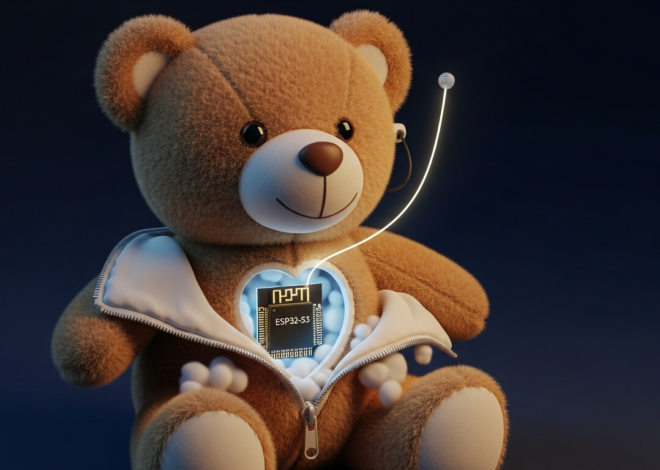
It’s February 2026. We have generative AI in our code editors, our fridges, and our cars. And now, apparently, we’re strapping it to a plush toy, handing it to a six-year-old, and hoping for the best. But I had to see what was actually running under the hood of this thing. The marketing promises a “lifelong companion.” The tech specs tell a slightly different story.
Here’s the thing about conversational AI: it needs to be fast to feel real. And the lag is noticeable. I clocked the average response time at roughly 1.8 seconds. That sounds fast on paper, but in a conversation? It’s an eternity. My guess? They aren’t doing edge processing for the LLM itself. The heavy lifting is happening in the cloud, and that round trip is just physics. As described in the paper on latency in cloud-based conversational AI systems, the network round-trip time is a key factor in perceived responsiveness.
And then there’s privacy. I dug into the policy, and the default setting has voice data being used for “data improvement.” Guess how many parents are going to find that toggle? Exactly. This means thousands of hours of children’s unstructured conversations are likely being piped into a dataset somewhere. And the Bluetooth connection seems a bit insecure, too. As research has shown, the privacy risks of voice-enabled smart toys are significant and often overlooked by consumers.
But the real issue? It’s the memory. The BubblePal remembered my name and pizza preference, and that just feels… unsettling. Psychologists have been warning about this since the Tamagotchi days, but this is different. This isn’t a pet that dies if you don’t feed it. It’s a voice that remembers your secrets. As research from the American Psychological Association has highlighted, the long-term psychological impacts of AI-powered companions for children are still largely unknown.
Technically, the BubblePal is a marvel of integration. But socially? It feels like we’re beta-testing social development on our kids. Maybe I’m just old, but for now? This thing stays turned off. And in the box.
Frequently asked questions
How long does the BubblePal AI toy take to respond to a child?
The BubblePal averages roughly 1.8 seconds of response lag in conversation. While that sounds quick on paper, it feels like an eternity during real back-and-forth dialogue. The likely cause is that the toy does not run the LLM on-device; instead, the heavy processing happens in the cloud, and that network round-trip is bound by physics rather than software optimization.
Is BubblePal recording my child’s voice for AI training?
By default, yes. The privacy policy sets voice data to be used for data improvement unless a parent digs in and toggles it off. In practice, that means thousands of hours of children’s unstructured conversations are likely being piped into a training dataset. The Bluetooth connection also appears somewhat insecure, compounding concerns about how that audio data travels and is stored.
Why does it feel creepy that BubblePal remembers personal details?
The BubblePal remembered the reviewer’s name and pizza preference, which felt unsettling rather than charming. Unlike a Tamagotchi, which simply dies if ignored, this is a voice that retains your child’s secrets over time. The American Psychological Association has noted that the long-term psychological impacts of AI companions on children remain largely unknown, making persistent memory especially concerning.
Should I buy the BubblePal AI toy for my 6-year-old in 2026?
Based on this teardown, the reviewer is keeping theirs turned off and in the box. Technically, BubblePal is a marvel of integration, but the combination of 1.8-second cloud-based lag, default-on voice data harvesting, insecure Bluetooth, and persistent memory of personal details feels like beta-testing social development on kids. The marketing promises a lifelong companion; the tech specs tell a different story.