
The Hidden Hardware in Modern Interactive Dolls
The Midnight Teardown
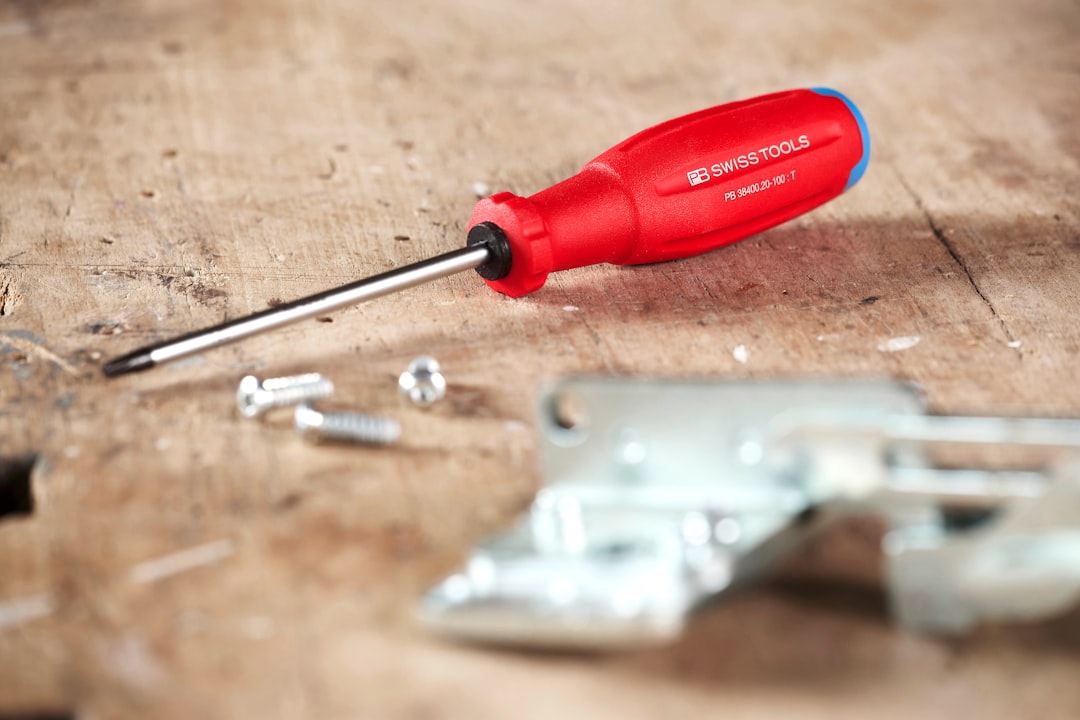
Actually, I should clarify – last Tuesday night, I found myself voiding the warranty on a $40 plastic toy with a spudger and a #1 Phillips head. My kid had jammed the main interaction button on a new talking doll, and rather than deal with a return, I figured I’d just fix the spring myself. What I found inside actually surprised me.
Marketing departments love slapping “55+ Sounds and Reactions!” on the cardboard boxes of these licensed characters. We’re seeing a massive wave of these highly interactive toys hitting shelves right now in early 2026, usually tied to big preschool franchises. As a hardware guy, I always assumed they were just cycling randomly through a cheap audio ROM. But I was wrong — the engineering inside these things has gotten weirdly sophisticated.
What’s Actually Driving the “55 Reactions”
If you crack open one of the newer interactive dolls releasing this spring, you won’t find the black epoxy blobs (COB – chip on board) that used to run 90s toys. You’ll usually find a proper, albeit dirt-cheap, 32-bit microcontroller. And many of these are running on variants of NXP Cortex-M0+ chips or heavily stripped-down RISC-V processors. They need that processing power because “55 reactions” isn’t just a random playlist anymore. It’s a complex state machine.
The toys map out specific logic trees based on multiple sensor inputs. There’s usually a cheap 3-axis accelerometer on the main board to detect orientation (is the doll laying down to sleep, or being bounced?). Then you have capacitive touch sensors wired into the fabric of the hands or feet, plus a physical tactile switch in the belly or nose.
The code is basically a massive switch statement. And if the accelerometer reads vertical AND the left hand is held for 2 seconds AND it’s currently in “party mode,” play audio file 42. It’s surprisingly clever logic for something designed to be thrown down a flight of stairs.
The Memory Trade-off
But here’s the gotcha I ran into when I dumped the firmware off a similar interactive plush last month using my CH341A programmer. Storing over 50 distinct, clear audio clips requires physical storage space, which costs money. Toy makers are heavily compressing these files. They usually pack an 8MB or 16MB generic SOP-8 SPI flash chip onto the board. To make 55 phrases fit alongside the logic program, they rely on ADPCM compression. It sounds fine through the tiny 0.5W Mylar speaker stuffed in the toy’s chest, but if you extract the raw WAV files and play them on a laptop, the audio artifacts are brutal. The high frequencies are completely crushed.
I tried swapping the flash chip on a test board with a 32MB version to see if I could load higher bitrate audio. But the microcontroller rejected it. The bootloader is hardcoded to expect specific memory addresses. Unless you want to rewrite the entire firmware from scratch, you’re stuck with the factory compression.
Power Management is the Real Trick
Look, the audio is fine. The sensors are basic. But the thing that actually impresses me is the sleep state management.
These dolls run on two or three AAA batteries. If that microcontroller was running full tilt checking the capacitive sensors constantly, it would drain a fresh set of Duracells in a day. Instead, they use aggressive interrupt-driven sleep modes. The chip sits in a deep sleep state pulling microamps. The accelerometer is usually configured to send a hardware interrupt on a specific physical jolt (like picking the doll up). That wakes the main processor, which then powers up the I2S audio DAC, plays the reaction, and immediately goes back to sleep.
It’s the exact same power-saving architecture we use in remote IoT industrial sensors, just repackaged into a brightly colored plastic pig or bear.
Where the Toy Aisle is Heading
We’ve maxed out what you can do with pre-recorded audio and simple tilt sensors. Pushing a toy to 75 or 100 reactions doesn’t actually make it more fun for a kid; it just makes it more annoying for the parents. But the next jump isn’t more canned phrases. It’s local processing.
And I’ve been tracking the wholesale cost of low-power neural processing units (NPUs). They are dropping fast. By Q4 2027, I probably expect we’ll see the first wave of mainstream interactive dolls running local, on-device voice recognition. Not the cloud-connected garbage that raised massive privacy concerns a few years ago, but completely offline models.
Imagine a $50 toy that can actually understand when a kid says “let’s jump in puddles” and triggers the correct hardware response, all processed locally on a $2 chip without ever touching a Wi-Fi network.
But until then, we’re stuck with the state machines and capacitive buttons. Which is fine. Just keep a #1 Phillips head screwdriver handy when the buttons inevitably get stuck.